Learn how micro screen filters remove fine suspended solids in municipal and industrial wastewater treatment, improve tertiary filtration, and protect downstream treatment processes.
Micro screen filters have become an increasingly important technology in modern wastewater treatment. Designed to capture fine suspended solids that escape primary and secondary treatment, these systems help facilities meet stricter discharge standards while reducing the load on downstream equipment.
Compared with conventional screening equipment, micro screen filters use much finer filtration media, typically ranging from 10 to 100 microns, making them ideal for tertiary treatment, water reuse, and industrial process water applications.
Whether installed as a stand-alone polishing unit or as pretreatment before membrane filtration, micro screen filters provide continuous, automatic operation with low maintenance requirements.
This guide explains how micro screen filters work, compares available technologies, and discusses how to select the right system for municipal and industrial wastewater treatment.
For additional wastewater engineering resources, professionals can refer to the Water Environment Federation at https://www.wef.org.
Quick Reference — Micro Screen Filter
| Parameter | Typical Value |
|---|---|
| Filtration Accuracy | 10–100 μm |
| Common Mesh Sizes | 10, 20, 40, 60, 100 μm |
| TSS Removal | 60–95% |
| Hydraulic Capacity | 5–5,000+ m³/h |
| Backwash Water Consumption | 1–3% |
| Automation | Fully Automatic |
| Installation | Channel or Tank Mounted |
| Construction Material | SS304 / SS316L |
| Operating Pressure | Gravity Flow |
| Typical Service Life | 10–20 Years |
What Is a Micro Screen Filter?
A micro screen filter is a mechanical filtration system designed to remove fine suspended particles from wastewater using precision stainless steel mesh or synthetic filter media.
Unlike coarse bar screens that remove large debris, micro screen filters target much smaller particles that remain after conventional treatment.
Typical contaminants include:
- Biological flocs
- Fine sludge
- Algae
- Fibers
- Organic debris
- Food particles
- Plastic fragments
The result is cleaner effluent and improved downstream treatment performance.
How a Micro Screen Filter Works
The operating principle is relatively simple.
Wastewater flows through the fine mesh screen.
Particles larger than the screen openings are retained on the filter surface.
As solids accumulate, water level sensors trigger an automatic cleaning cycle.
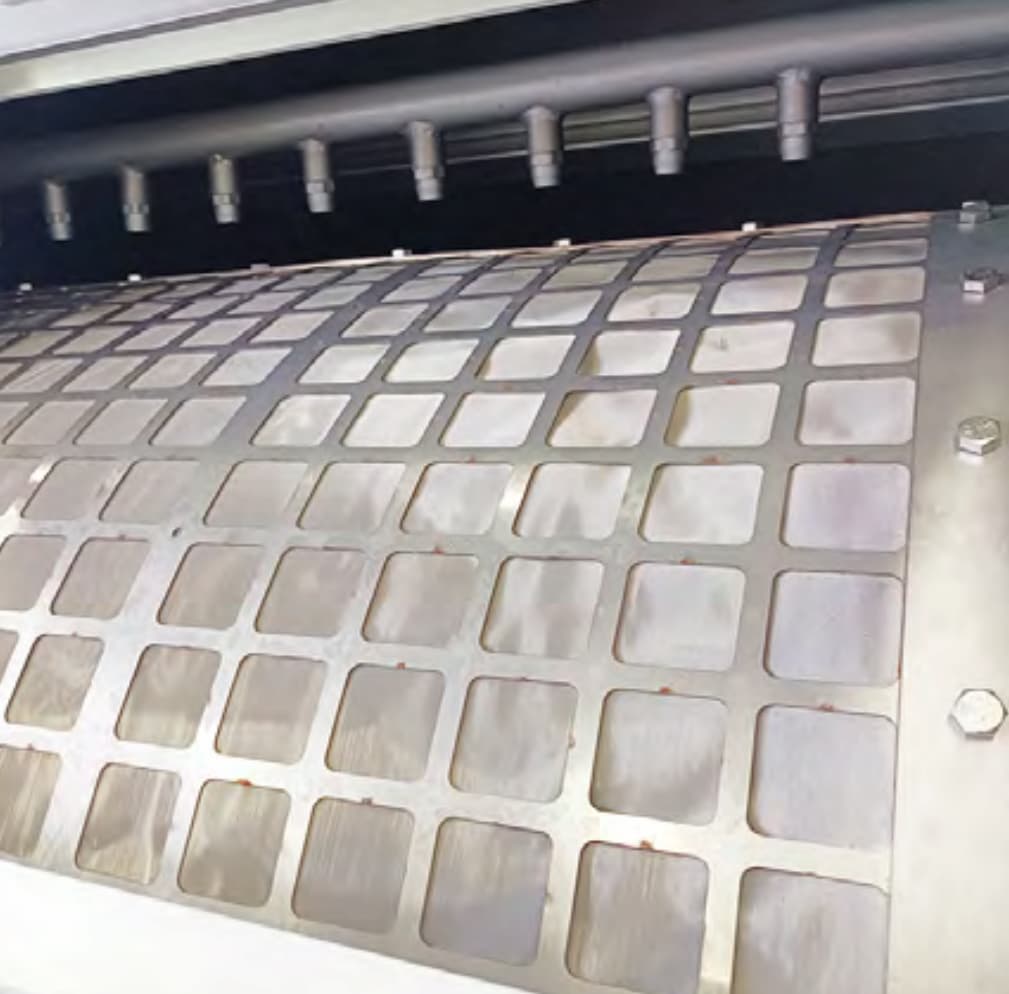
High-pressure spray nozzles wash the collected solids into a sludge trough while the filter rotates slowly.
The filtration process continues without interrupting wastewater flow.
Main Types of Micro Screen Filters
Rotary Drum Micro Screen
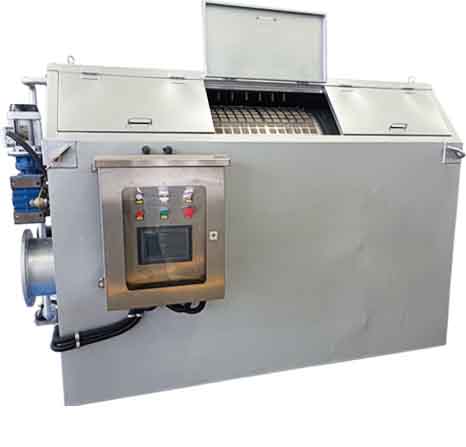
The filter media is mounted on a rotating cylindrical drum.
Advantages include:
- Simple structure
- Reliable operation
- Low maintenance
- High hydraulic capacity
Rotary drum micro screens are widely used in municipal wastewater treatment and industrial pretreatment.
Disc Micro Screen
Disc filters increase filtration area by mounting multiple filter discs on a central shaft.
Advantages include:
- Higher filtration area
- Smaller footprint
- Excellent tertiary treatment performance
- Lower backwash water consumption
Disc micro screens are commonly installed in municipal water reuse projects.
Cloth Media Micro Filters
Instead of stainless steel mesh, cloth media filters use synthetic filter fabric.
These systems are especially effective for:
- Phosphorus removal
- Water reclamation
- Municipal tertiary filtration
Typical Applications
Municipal Wastewater Treatment
Micro screen filters are commonly installed after secondary clarification to:
- Reduce suspended solids
- Improve UV disinfection
- Meet discharge standards
- Support water reuse
Industrial Wastewater Treatment
Industries using micro screen filters include:
- Food processing
- Beverage production
- Slaughterhouses
- Textile manufacturing
- Paper mills
- Chemical processing
- Aquaculture
Fine filtration protects downstream treatment equipment and improves overall plant performance.
Water Reuse
Water reuse systems require low suspended solids concentrations.
Micro screen filters remove fine particles before:
- Ultrafiltration
- Reverse osmosis
- UV disinfection
- Cooling water reuse
Project Example – Municipal Wastewater Plant
A municipal wastewater treatment facility upgraded its tertiary treatment to comply with stricter discharge regulations.
A rotary drum micro screen with a 20 μm mesh was installed after the secondary clarifier.
Effluent suspended solids were consistently reduced below the regulatory target, improving UV disinfection performance and enabling seasonal water reuse.
Project Example – Food Processing Industry
A seafood processing plant discharged wastewater containing fine organic particles and fish scales.
A 40 μm rotary drum micro screen was installed upstream of the DAF system.
The filtration system reduced suspended solids entering the flotation unit, lowering polymer consumption and improving sludge dewatering efficiency.
Technology Comparison
| Technology | Filtration Accuracy | Footprint | Typical Application |
|---|---|---|---|
| Rotary Drum Micro Screen | 20–100 μm | Small | Municipal & Industrial |
| Disc Filter | 10–40 μm | Very Small | Water Reuse |
| Cloth Media Filter | 10–20 μm | Small | Municipal Tertiary |
| Sand Filter | 20–100 μm | Large | Conventional Polishing |
| Ultrafiltration | <0.1 μm | Small | Advanced Reuse |
Advantages of Micro Screen Filters
Excellent Suspended Solids Removal
Fine mesh screens remove particles that conventional bar screens cannot capture.
Fully Automatic Operation
Automatic level control and backwashing minimize operator involvement.
Low Operating Cost
Compared with membrane filtration, micro screen filters consume less energy and require fewer replacement components.
Compact Installation
Micro screen filters occupy significantly less space than traditional sedimentation or sand filtration systems.
Easy Integration
Micro screen filters can be installed before:
- DAF systems
- UV disinfection
- Membrane filtration
- Reverse osmosis
- Activated carbon filters
Design Considerations
Mesh Size Selection
Choosing the correct mesh size is one of the most important design decisions.
| Mesh Size | Typical Application |
|---|---|
| 10–20 μm | Water Reuse |
| 20–40 μm | Tertiary Filtration |
| 40–60 μm | Industrial Wastewater |
| 60–100 μm | Primary Polishing |
Smaller mesh openings improve water quality but increase cleaning frequency.
Hydraulic Loading
Equipment should be sized based on:
- Average flow
- Peak flow
- Seasonal variations
- Future expansion
Undersized systems often experience excessive backwashing.
Solids Characteristics
Particle size distribution affects filtration performance more than total suspended solids concentration alone.
Wastewater characterization should be completed before equipment selection.
Common Design Mistakes
Choosing the Finest Mesh Available
Many buyers assume that the smallest mesh always produces the best results.
However, extremely fine filtration may:
- Increase backwash frequency
- Raise operating costs
- Reduce hydraulic capacity
The optimal mesh size depends on project objectives.
Ignoring Peak Hydraulic Flow
Average daily flow rarely represents the most demanding operating condition.
Peak flow should always be considered during equipment sizing.
Overlooking Pretreatment
Large debris should be removed upstream using coarse screens.
This protects the micro screen and extends equipment life.
Project Example – Textile Factory
A textile manufacturer experienced frequent clogging because fibers entered the micro screen without adequate coarse screening.
After installing a bar screen upstream, maintenance requirements decreased substantially while filtration performance improved.
Engineering Perspective
Micro screen filters are sometimes viewed simply as finer versions of conventional screens.
In reality, they play a much more important role in modern wastewater treatment.
When properly selected, they improve tertiary filtration, reduce downstream maintenance, enhance water reuse quality, and protect expensive membrane systems.
For many municipal and industrial facilities, investing in efficient micro screening provides one of the fastest returns among wastewater treatment upgrades.
Micro Screen Filter Selection Checklist
Process Evaluation
- Determine effluent quality requirements
- Measure suspended solids concentration
- Analyze particle size distribution
- Evaluate peak flow
- Consider future expansion
Equipment Selection
- Select filter configuration
- Choose mesh size
- Calculate filtration area
- Review backwash system
- Verify automation functions
Procurement Review
- Compare lifecycle costs
- Confirm material compatibility
- Review spare parts availability
- Evaluate local technical support
- Verify warranty conditions
Frequently Asked Questions
What is a micro screen filter?
A micro screen filter is a mechanical filtration system that removes fine suspended solids using precision mesh or cloth media, typically with filtration ratings between 10 and 100 microns.
Where are micro screen filters used?
They are widely used in municipal wastewater treatment, industrial wastewater treatment, tertiary filtration, water reuse, aquaculture, and food processing industries.
Can a micro screen replace membrane filtration?
No.
Micro screen filters remove suspended solids but cannot remove dissolved contaminants or microorganisms as effectively as membrane systems.
However, they are excellent pretreatment devices that reduce membrane fouling.
What mesh size is most common?
Most municipal wastewater projects use 20–40 μm mesh, while industrial applications often select 40–60 μm depending on wastewater characteristics.
Conclusion
Micro screen filters are an effective and economical solution for removing fine suspended solids from wastewater.
Their automatic operation, compact footprint, and reliable performance make them an excellent choice for tertiary treatment, industrial pretreatment, and water reuse applications.
Selecting the right mesh size, hydraulic capacity, and pretreatment strategy ensures long-term reliability while minimizing operating costs.
As wastewater reuse and discharge standards continue to evolve, micro screen filtration will remain a key technology for achieving high-quality effluent.
Need Help Selecting a Micro Screen Filter?
Morvolous provides rotary drum micro screen filters, disc filters, cloth media filters, and complete tertiary filtration solutions for municipal and industrial wastewater treatment.
Our engineering team can help you evaluate wastewater characteristics, select the appropriate filtration technology, and design a reliable, cost-effective treatment system.
About the Author
Morvolous Engineering Team
Morvolous specializes in advanced wastewater filtration, tertiary treatment, sludge dewatering, and water reuse technologies. We provide engineering support and turnkey solutions for municipal and industrial wastewater treatment projects worldwide.