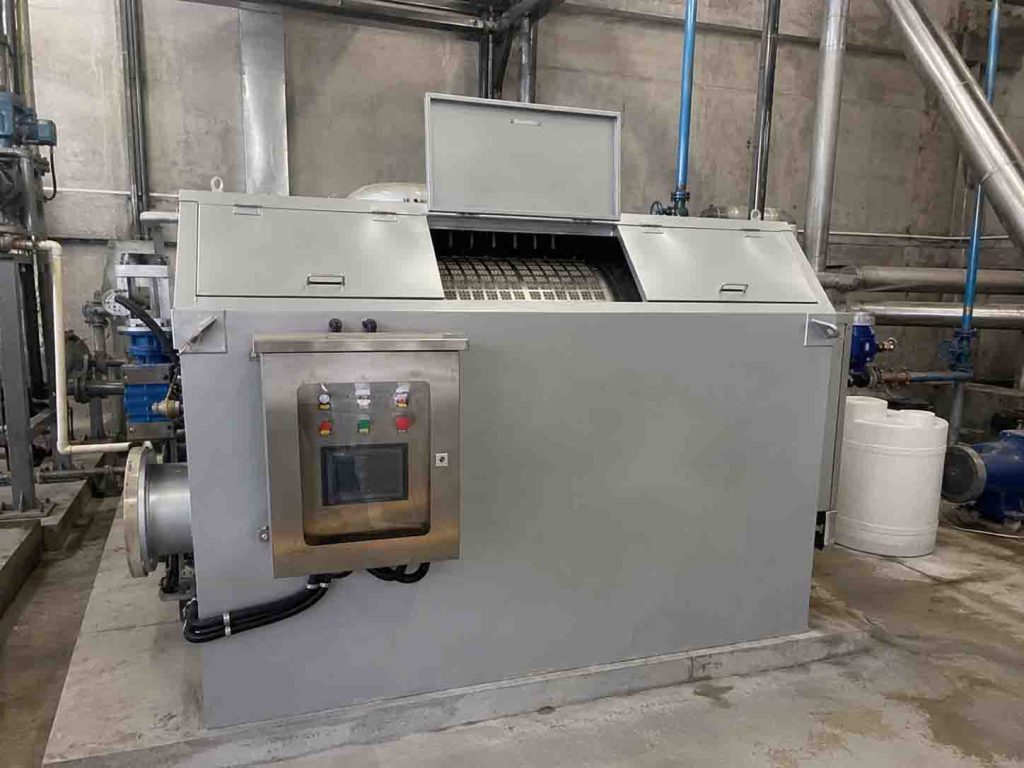
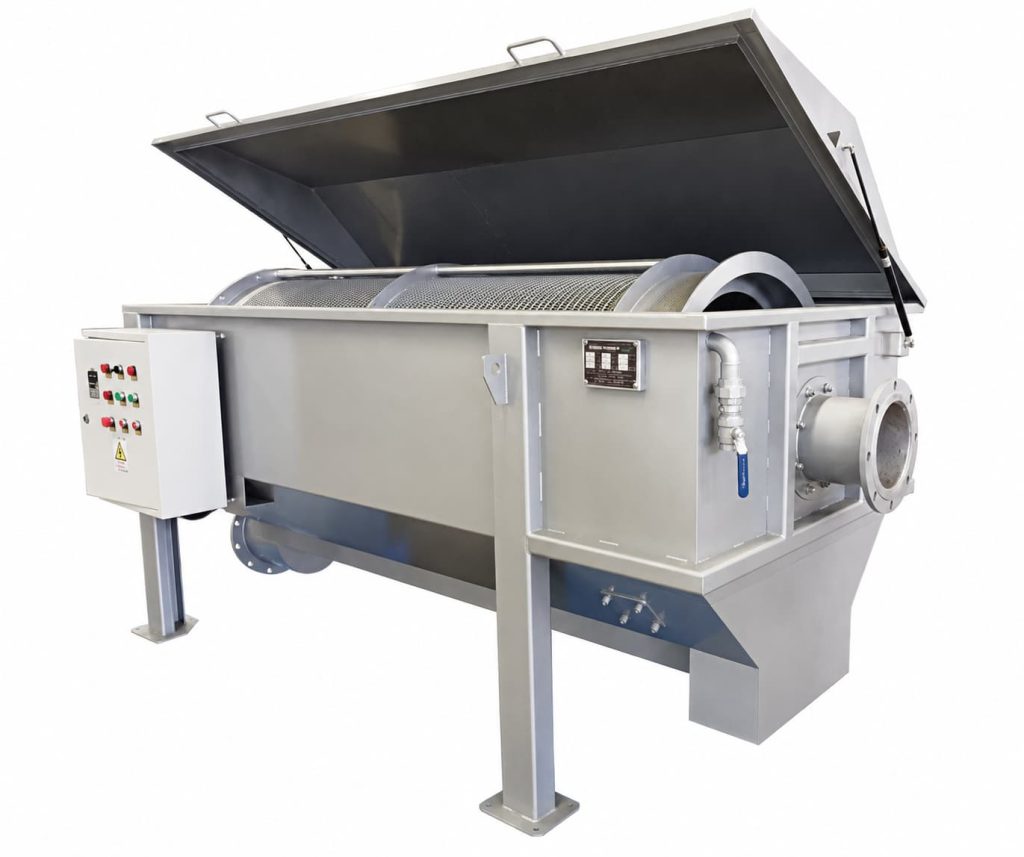
Keeping self-cleaning drum screens running without downtime
Drum screens fail for one main reason: neglected backwash systems. Clogged nozzles let solids build up on the mesh. Within weeks, flow capacity drops and bypass alarms start triggering.
Most operators treat backwash as an afterthought. They inspect the drum, check the motor, and skip the spray bar entirely. That gap causes most unplanned shutdowns on drum and micro-screen units.
This guide covers nozzle cleaning intervals, spray pressure targets, and mesh inspection routines. For broader biosolids handling context, see EPA’s biosolids program overview.
- Backwash pressure: 3–6 bar typical
- Nozzle spacing: 15–25 mm center-to-center
- Spray bar cleaning: weekly minimum
- Mesh inspection: monthly visual, quarterly close
- Drum RPM check: monthly
- Bearing lubrication: per manufacturer, usually 3–6 months
- Mesh lifespan: 2–5 years depending on aperture and solids
- Common failure point: clogged or misaligned nozzles
- Backwash water source: filtered effluent preferred
- Downtime per cleaning cycle: under 30 minutes if scheduled
Why Backwash Systems Clog
Backwash nozzles clean fine mesh using high-pressure spray. Over time, scale and grease coat the nozzle openings. Fibrous solids can also lodge inside the spray bar itself.
Hard water accelerates scale buildup significantly. Plants without water softening see nozzle clogging twice as often. Grease-heavy influent, common in food processing, compounds the problem further.
Signs of Nozzle Clogging
Uneven spray patterns are the earliest warning sign. Some nozzles fire strong while neighbors barely trickle. Operators often notice this only after mesh blinding starts.
Rising differential pressure across the drum is another clue. A gradual pressure climb over days points to nozzle degradation, not a sudden mechanical failure.
Backwash Cleaning Procedure
Isolate the spray bar before starting any cleaning work. Remove nozzles individually rather than cleaning them in place. This lets technicians inspect each nozzle’s internal geometry.
Soak clogged nozzles in a mild descaling solution for 20–30 minutes. Avoid wire brushes, which widen the orifice and change spray characteristics permanently.
Recommended Cleaning Frequency
Weekly cleaning suits most municipal and light industrial applications. Food processing and slaughterhouse plants often need twice-weekly attention due to grease loading.
High-fiber applications, like paper mill effluent, sit somewhere between these two extremes. Track differential pressure trends to fine-tune the actual schedule.
Mesh and Drum Inspection
Check mesh integrity monthly using a flashlight and magnifier. Look for torn sections, stretched apertures, and areas where solids have embedded permanently into the weave.
Quarterly inspections should include a full drum rotation check. Confirm even rotation speed and listen for bearing noise that suggests wear.
Bearing and Drive Maintenance
Drum bearings run continuously in a wet, corrosive environment. Manufacturers typically specify lubrication every three to six months, though duty cycle affects this interval.
Drive chain tension also needs periodic checks. A loose chain causes uneven drum rotation, which then produces uneven backwash coverage across the mesh surface.
| Issue | Likely Cause | Fix |
|---|---|---|
| Uneven spray | Partial nozzle clog | Remove and soak nozzles |
| Rising differential pressure | Mesh blinding | Increase backwash frequency |
| Torn mesh | Age or abrasive solids | Replace mesh panel |
| Uneven drum rotation | Loose drive chain | Adjust chain tension |
| Excess bearing noise | Lubrication overdue | Grease per schedule |
Frequently Asked Questions
Cleaning and Frequency
How often should backwash nozzles be cleaned? Weekly for most plants, twice-weekly for high-grease or high-fiber influent streams.
Can backwash pressure be too high? Yes. Excessive pressure erodes mesh apertures and shortens screen lifespan significantly.
What water source works best for backwash? Filtered effluent reduces fouling compared to raw, unfiltered plant water.
Troubleshooting and Lifespan
How long does drum screen mesh last? Typically two to five years, depending on aperture size and solids loading.
Why does the drum rotate unevenly? A loose drive chain is the most common cause of uneven rotation.
What causes recurring bypass alarms? Clogged backwash nozzles causing mesh blinding are the most frequent culprit.
Need a drum screen sized or serviced for your plant?
Morvolous engineers can review your influent data and recommend the right screen and maintenance plan.