Learn how water reuse filtration systems improve reclaimed water quality, protect downstream equipment, and support sustainable wastewater recycling.
Water scarcity has become one of the biggest challenges facing municipalities and industries worldwide. As freshwater resources become increasingly limited, wastewater reclamation and reuse have become critical strategies for sustainable water management.
However, biological treatment alone cannot consistently produce water suitable for reuse. Fine suspended solids, residual organic matter, microorganisms, and nutrients often remain in the treated effluent.
Water reuse filtration systems provide the final polishing stage before reclaimed water is used for irrigation, industrial processes, cooling towers, or advanced purification.
This guide explains the role of filtration in water reuse, compares common filtration technologies, and discusses important design considerations for reclaimed water projects.
For additional engineering resources, wastewater professionals can refer to the Water Environment Federation at https://www.wef.org.
Quick Reference — Water Reuse Filtration
| Parameter | Typical Value |
|---|---|
| Influent TSS | 5–30 mg/L |
| Effluent TSS | <5 mg/L |
| Typical Turbidity | <2 NTU |
| Filtration Accuracy | 10–100 μm |
| Backwash Water Consumption | 1–5% |
| Hydraulic Loading Rate | 5–20 m³/m²·h |
| Typical Recovery Rate | >95% |
| Automation Level | Fully Automatic |
| Service Life | 10–20 Years |
| Suitable Reuse Applications | Irrigation, Industry, Municipal |
Why Water Reuse Requires Advanced Filtration
Secondary wastewater treatment removes most biodegradable pollutants.
However, reclaimed water still contains:
- Fine suspended solids
- Biological flocs
- Algae
- Fibers
- Residual phosphorus particles
- Organic debris
These contaminants can:
- Reduce UV disinfection efficiency
- Increase membrane fouling
- Block irrigation equipment
- Damage industrial cooling systems
Tertiary filtration significantly improves reclaimed water quality before reuse.
Typical Water Reuse Process
Although treatment trains vary, a typical reclaimed water system includes:
Raw Wastewater
↓
Primary Treatment
↓
Biological Treatment
↓
Secondary Clarifier
↓
Tertiary Filtration
↓
Disinfection (UV or Chlorine)
↓
Water Reuse
Some high-quality reuse systems also include:
- Ultrafiltration (UF)
- Reverse Osmosis (RO)
- Activated Carbon
- Advanced Oxidation
Common Water Reuse Filtration Technologies
Rotary Drum Filters
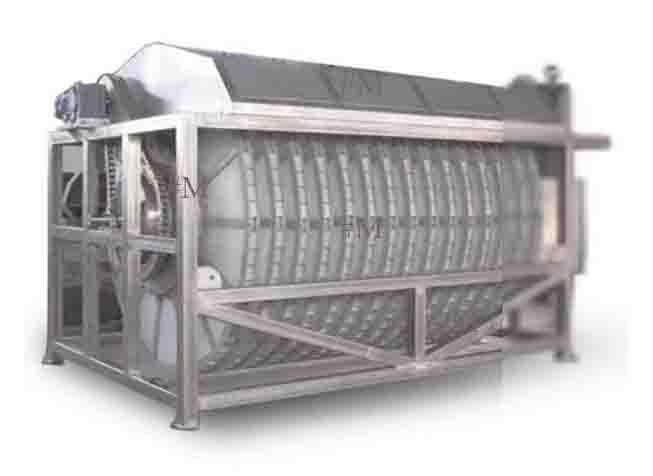
Rotary drum filters remove suspended solids using rotating stainless steel screens.
Advantages
- Compact design
- Continuous operation
- Low maintenance
- Suitable for municipal reuse
Typical Applications
- Irrigation water
- Industrial pretreatment
- Secondary polishing
Disc Filters
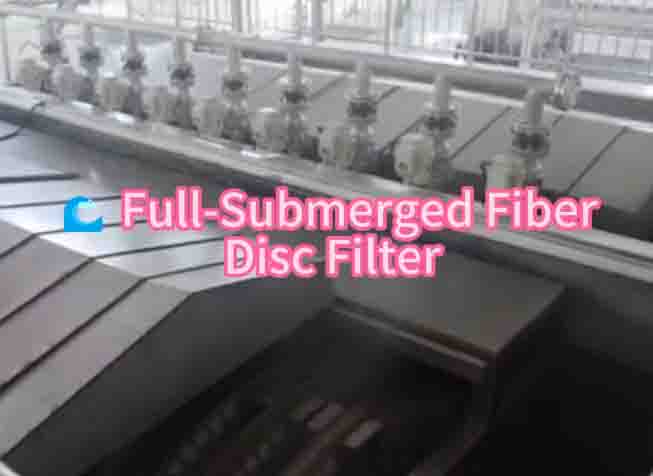
Disc filters provide large filtration area within a compact footprint.
Advantages
- High filtration efficiency
- Excellent for municipal reuse
- Low backwash water consumption
- Automatic operation
Disc filters are widely used before UV disinfection and membrane systems.
Cloth Media Filters
Cloth media filtration has become increasingly popular for water reclamation.
The synthetic filter media effectively captures fine suspended solids while maintaining low energy consumption.
These systems perform especially well in phosphorus removal projects.
Sand Filters
Rapid sand filters remain widely used because of their proven reliability.
Advantages include:
- Stable operation
- Simple design
- Mature technology
Limitations include:
- Larger footprint
- Higher backwash water usage
Ultrafiltration Systems
Ultrafiltration provides extremely fine particle removal.
Typical contaminants removed include:
- Suspended solids
- Bacteria
- Protozoa
- Fine colloids
UF systems often serve as pretreatment for reverse osmosis.
Technology Comparison
| Technology | Filtration Quality | Footprint | Capital Cost | Water Reuse |
|---|---|---|---|---|
| Drum Filter | Good | Small | Moderate | Good |
| Disc Filter | Excellent | Very Small | Higher | Excellent |
| Cloth Media Filter | Excellent | Small | Moderate | Excellent |
| Sand Filter | Good | Large | Moderate | Good |
| Ultrafiltration | Outstanding | Small | Very High | Outstanding |
Municipal Water Reuse Applications
Municipal reclaimed water is commonly used for:
- Landscape irrigation
- Park irrigation
- Street cleaning
- Toilet flushing
- Fire protection
- Industrial supply
Water quality requirements vary depending on end use.
More sensitive applications require finer filtration.
Project Example – Municipal Reuse
A municipal wastewater treatment plant upgraded its tertiary treatment to supply reclaimed water for landscape irrigation.
Disc filters were installed before UV disinfection.
The upgraded system consistently achieved low suspended solids and improved UV performance during peak summer demand.
Industrial Water Reuse Applications
Industries increasingly recycle treated wastewater to reduce freshwater consumption.
Common applications include:
- Cooling towers
- Boiler makeup water
- Equipment washing
- Manufacturing processes
Industrial reuse significantly lowers operating costs while improving environmental sustainability.
Food Processing
Food processing plants frequently reuse treated water for:
- Equipment cleaning
- Utility water
- Cooling systems
Proper filtration minimizes suspended solids and protects downstream equipment.
Textile Industry
Textile manufacturers often recycle wastewater to reduce water consumption.
Filtration removes fibers and suspended particles before reuse.
Electronics Manufacturing
Electronics facilities require high-quality process water.
Mechanical filtration often serves as pretreatment before membrane systems.
Project Example – Industrial Water Recycling
A textile manufacturing facility installed drum filters ahead of ultrafiltration.
The drum filters reduced suspended solids loading, extending membrane cleaning intervals and lowering operating costs.
Designing a Water Reuse Filtration System
Understand Water Quality Goals
Different reuse applications require different water quality.
Landscape irrigation typically allows higher suspended solids than industrial process water.
Treatment objectives determine filtration technology.
Evaluate Flow Variations
Reuse demand often changes throughout the day.
Storage tanks and variable-speed pumps help stabilize operation.
Equipment should be designed for peak flow conditions.
Protect Downstream Equipment
Filtration extends the lifespan of:
- UV reactors
- Membrane systems
- Pumps
- Irrigation equipment
- Heat exchangers
Pretreatment often produces greater economic benefits than increasing downstream maintenance.
Consider Future Expansion
Water reuse projects frequently expand over time.
Modular filtration systems simplify future capacity upgrades.
Common Design Mistakes
Selecting Equipment Based Only on Initial Cost
Lower-cost equipment may require:
- More maintenance
- Higher energy consumption
- Greater backwash water use
Lifecycle cost provides a more meaningful comparison.
Ignoring Seasonal Changes
Municipal reuse demand often peaks during summer.
Industrial production schedules also affect reuse flow.
Designs should accommodate these variations.
Underestimating Pretreatment Requirements
Poor pretreatment accelerates membrane fouling and reduces disinfection efficiency.
Proper filtration improves the performance of the entire treatment train.
Project Example – Middle East
An industrial park installed reverse osmosis without adequate pretreatment.
Frequent membrane fouling increased operating costs.
Engineers later installed cloth media filtration upstream.
Cleaning frequency declined significantly, improving overall system reliability.
Engineering Perspective
Many reclaimed water projects emphasize advanced treatment technologies such as ultrafiltration and reverse osmosis.
These technologies are important.
However, pretreatment often determines their long-term success.
A well-designed filtration system reduces fouling, lowers operating costs, and improves treatment stability.
In many projects, investing in effective tertiary filtration provides a faster return than upgrading downstream equipment.
Successful reuse systems begin with reliable suspended solids removal.
Water Reuse Filtration Selection Checklist
Process Evaluation
- Define reuse application
- Determine effluent quality requirements
- Measure influent suspended solids
- Review seasonal flow variations
- Evaluate future expansion
Equipment Selection
- Select filtration technology
- Calculate hydraulic loading
- Determine backwash requirements
- Review automation features
- Verify material compatibility
Procurement Review
- Compare lifecycle cost
- Review spare parts availability
- Confirm local technical support
- Evaluate warranty terms
- Verify operating references
Frequently Asked Questions
Why is filtration important before water reuse?
Filtration removes suspended solids that interfere with disinfection, membrane treatment, and industrial reuse equipment.
Which filtration technology is best for reclaimed water?
Disc filters and cloth media filters are widely used for municipal water reuse, while drum filters are often preferred for industrial applications.
Can filtration alone produce potable water?
No.
Potable reuse generally requires multiple advanced treatment processes such as ultrafiltration, reverse osmosis, and advanced disinfection.
Does water reuse reduce operating costs?
Yes.
Reusing treated wastewater reduces freshwater consumption, lowers discharge volumes, and improves long-term sustainability.
Conclusion
Water reuse filtration plays a vital role in modern wastewater treatment by improving reclaimed water quality and protecting downstream treatment equipment.
Whether using drum filters, disc filters, cloth media filters, or ultrafiltration systems, successful designs balance water quality objectives, operating costs, and future expansion needs.
As global water demand continues to grow, efficient filtration technologies will remain essential for sustainable wastewater reclamation.
Need Help Designing a Water Reuse Filtration System?
Morvolous supplies drum filters, disc filters, cloth media filters, and integrated wastewater reuse systems for municipal and industrial applications.
Our engineering team can recommend the most suitable filtration solution based on your water quality requirements and reuse objectives.
About the Author
Morvolous Engineering Team
Morvolous specializes in wastewater filtration, water reuse technologies, sludge treatment, and advanced process optimization. Our engineers support customers worldwide with equipment selection, system design, and turnkey wastewater treatment solutions.