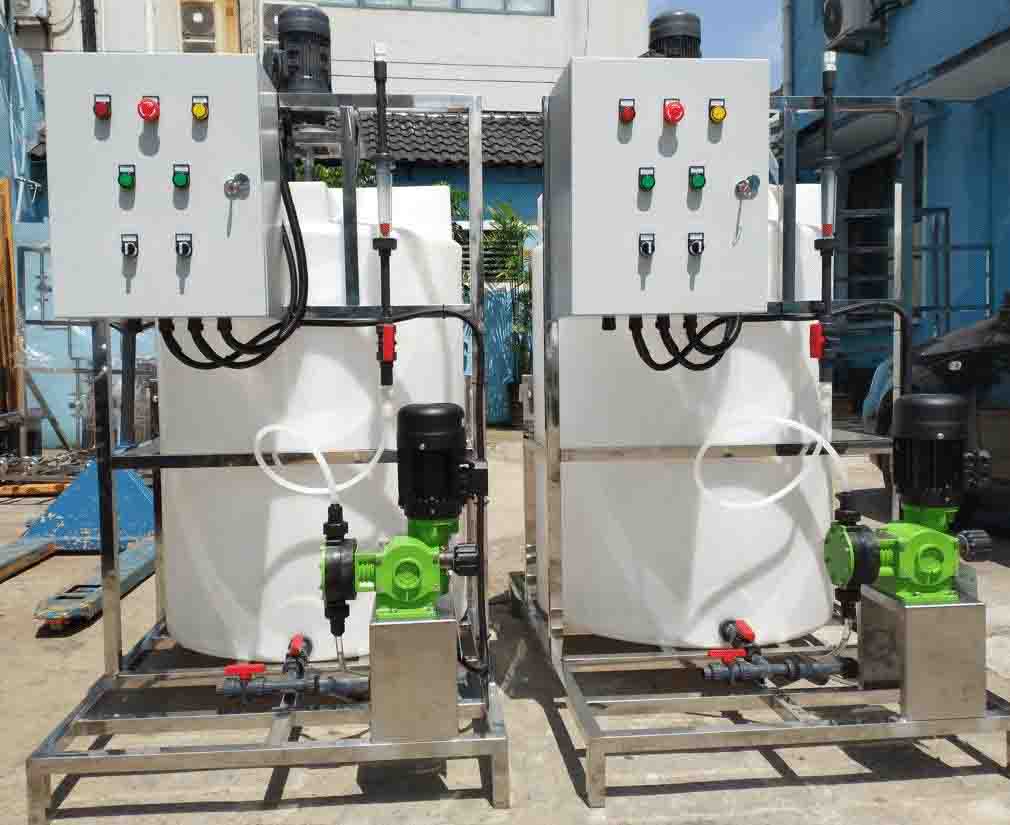
DAF & Chemical Dosing

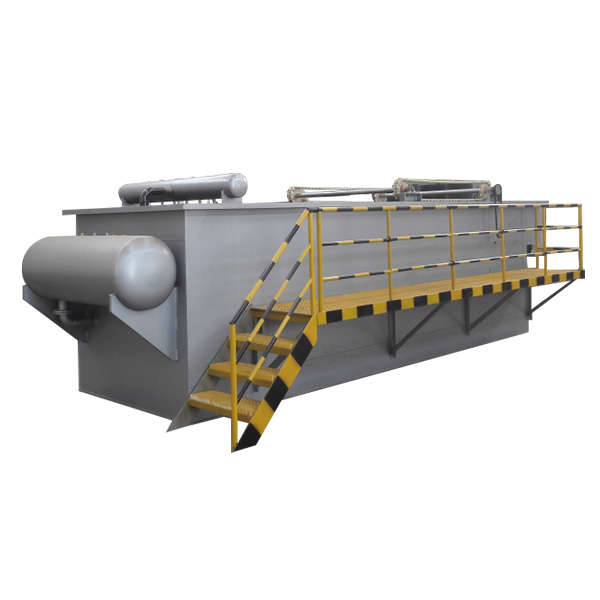
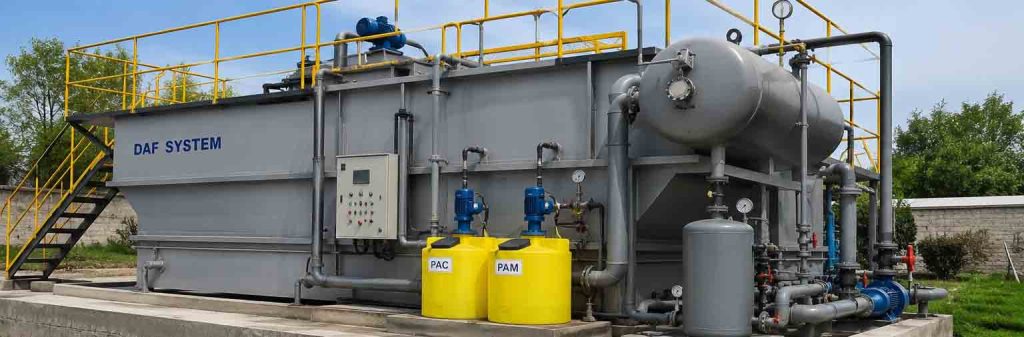
DAF system

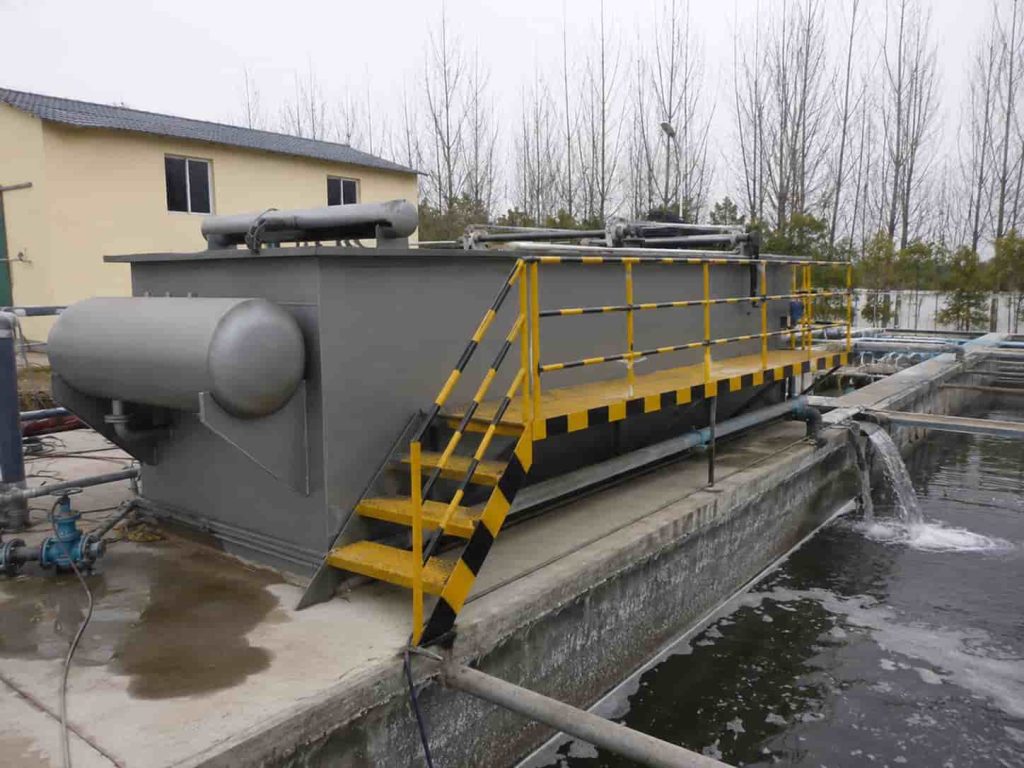
DAF System for Wastewater Treatment: Complete Guide to Dissolved Air Flotation

Dissolved Air Flotation (DAF) is an effective wastewater treatment technology for removing suspended solids, oils, grease, fats, and lightweight particles. This guide explains how DAF systems work, their applications, chemical requirements, design considerations, advantages, limitations, and sludge treatment options.

DAF System for Wastewater Treatment: Complete Guide to Dissolved Air Flotation Read More »

Morvolous DAF system

DAF vs Sedimentation Clarifier: Which One Belongs in Your Treatment Train?

DAF and sedimentation clarifiers solve different separation problems — one floats particles, the other settles them. Choosing correctly requires feed characterisation, not industry convention. This guide covers the physics, feed conditions, capital and lifecycle costs, and the practical framework for making a defensible technology selection.

DAF vs Sedimentation Clarifier: Which One Belongs in Your Treatment Train? Read More »

Morvolous daf system works on site

Dissolved Air Flotation: Complete Guide

Dissolved air flotation separates suspended solids and FOG by flotation rather than settling — making it the right tool for food processing wastewater, sludge thickening, and tertiary polishing. This guide covers the full system: bubble generation, hydraulic sizing, chemical conditioning, float sludge handling, and the operational variables that separate reliable 90%+ removal from inconsistent performance.

Dissolved Air Flotation: Complete Guide Read More »